The Off-Switch Technique,
step by step.
Exactly what to do with your hands while you focus on a memory or a feeling in your body.

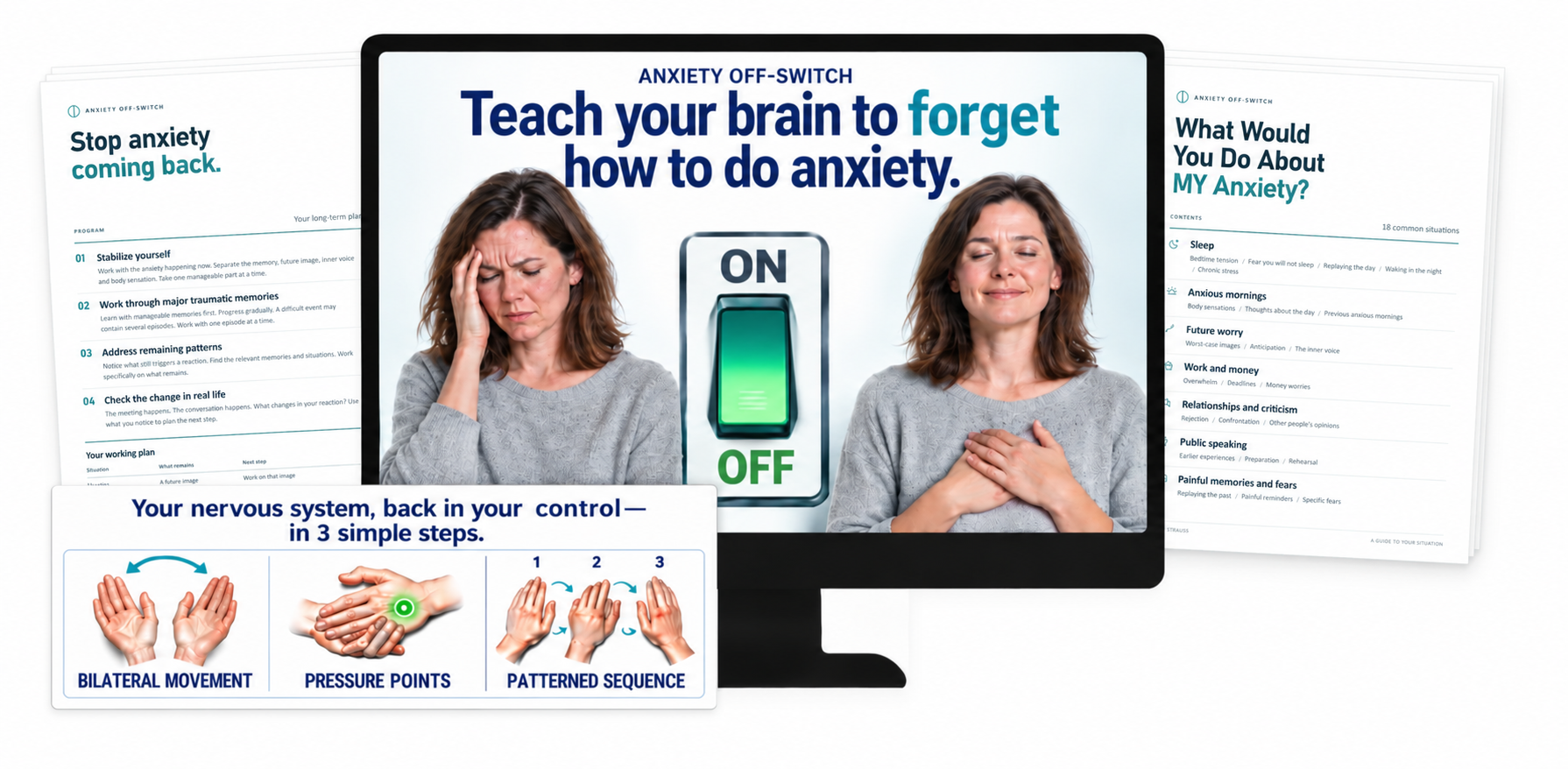
Your head says everything is fine.
Your body isn’t listening.
Forget the old reaction—not what happened.
Learn the Off-Switch Technique—a simple sequence of hand movements.
Four recorded lessons · Guided practice · Lifetime access
Get Anxiety Off-Switch — $27 USD One payment.
Ugis Strauss
My house burned down. I had to jump to escape. I broke my spine and both feet.
I recovered physically. But the anxiety and panic attacks were still there. I kept looking for something that would help. That’s how I found the hand technique.
My panic attacks stopped. But the biggest surprise was that the nervousness I had lived with for 33 years was gone.
I’d been nervous for so long that I’d got used to it.
Over the next eleven years, I worked with groups and private clients and kept improving the way I taught it.
A bad memory. A frightening picture of tomorrow. The voice in your head. Missing preparation. Background stress. A feeling in your body. Another problem happening at the same time.
Calming one part doesn’t automatically change the others.
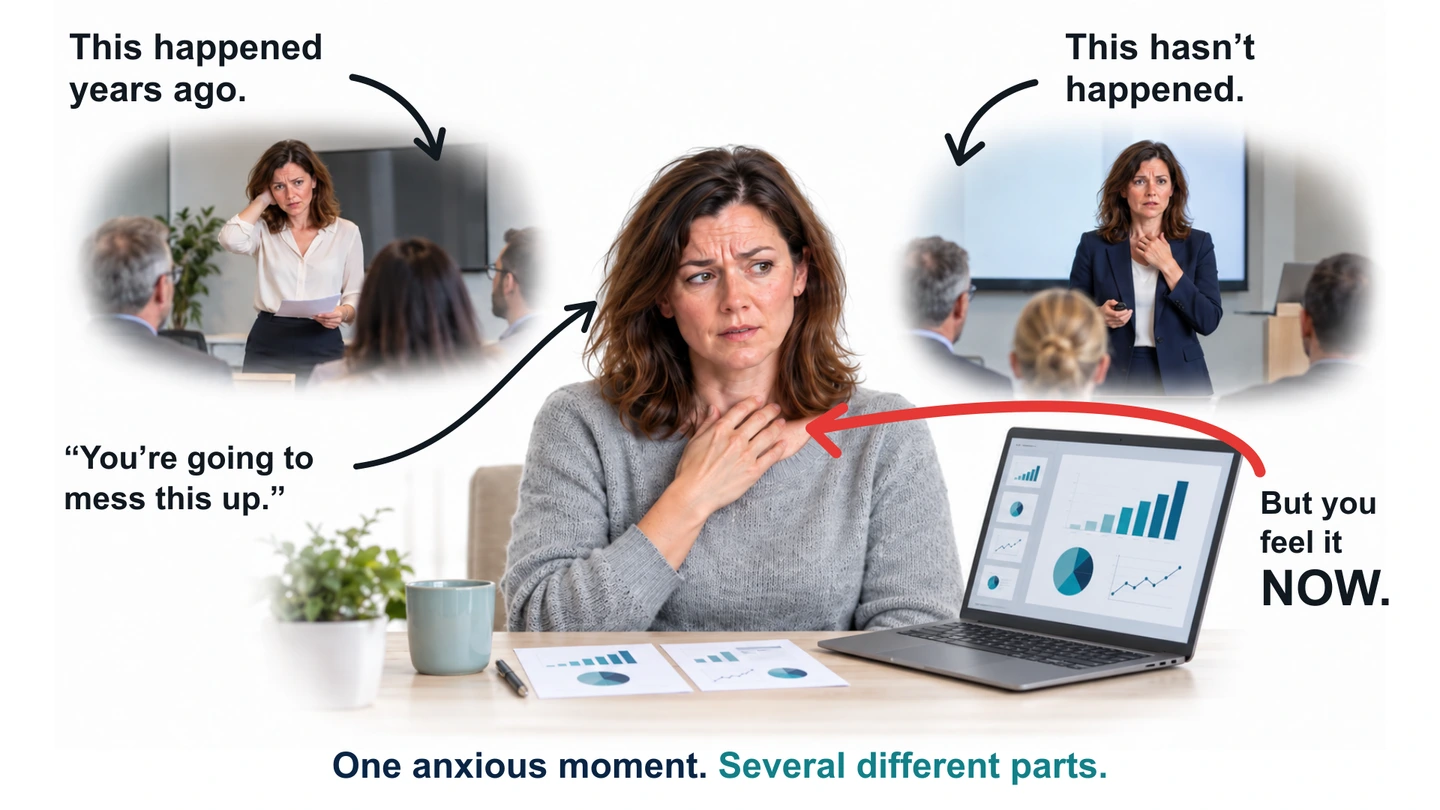
Preparing a presentation won’t remove the feeling attached to an old humiliation. Working on that memory won’t prepare the presentation.
I’ll show you how to deal with each part—and spot what you’ve missed.
You’ll use the hand technique on the feeling attached to one specific memory.
You still remember what happened. It simply no longer hurts to remember it.
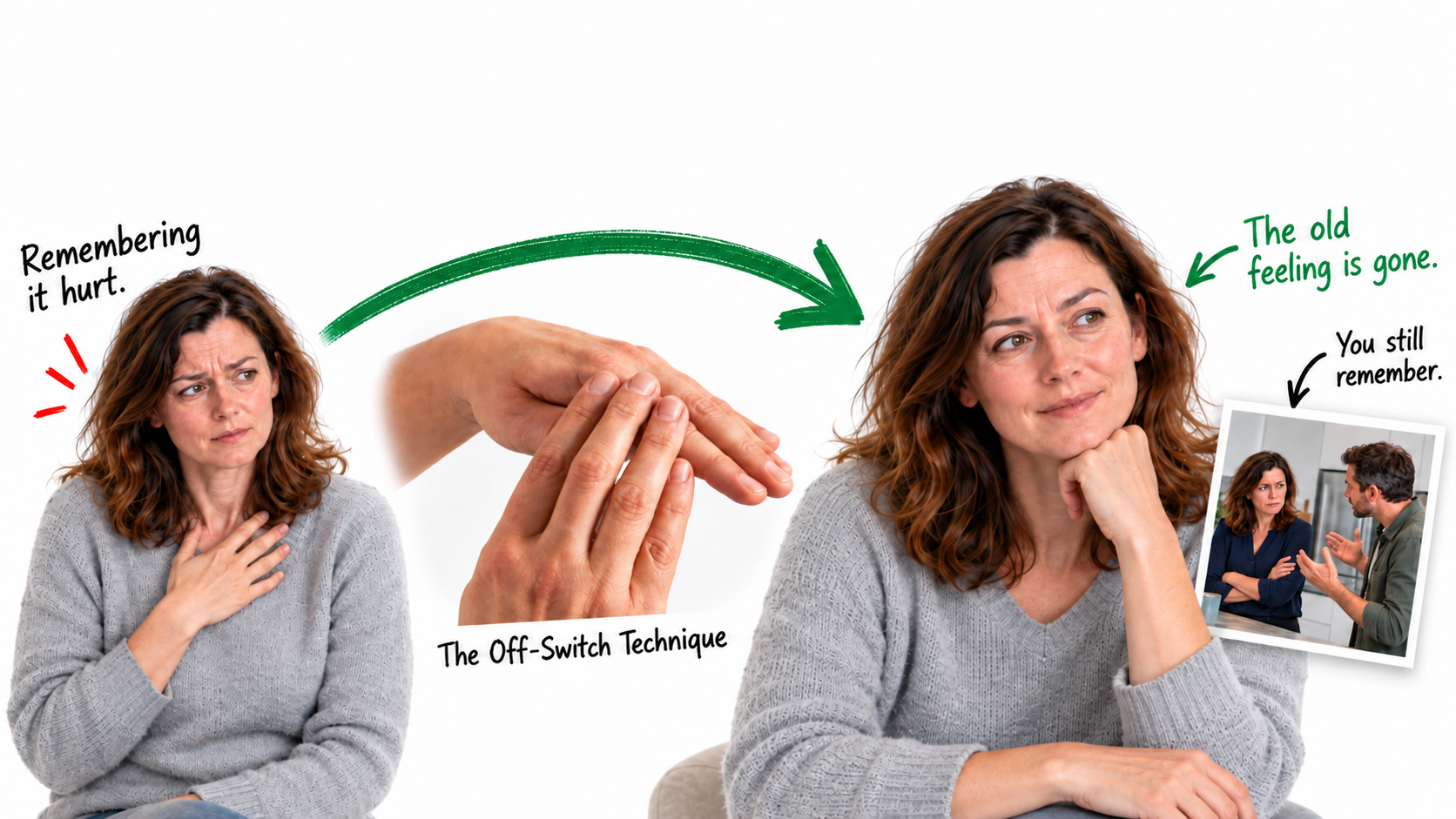
We start with a memory that bothers you a little.
I’ll show you how to find the memories behind a repeating pattern, work through them, and check what changes in everyday life.
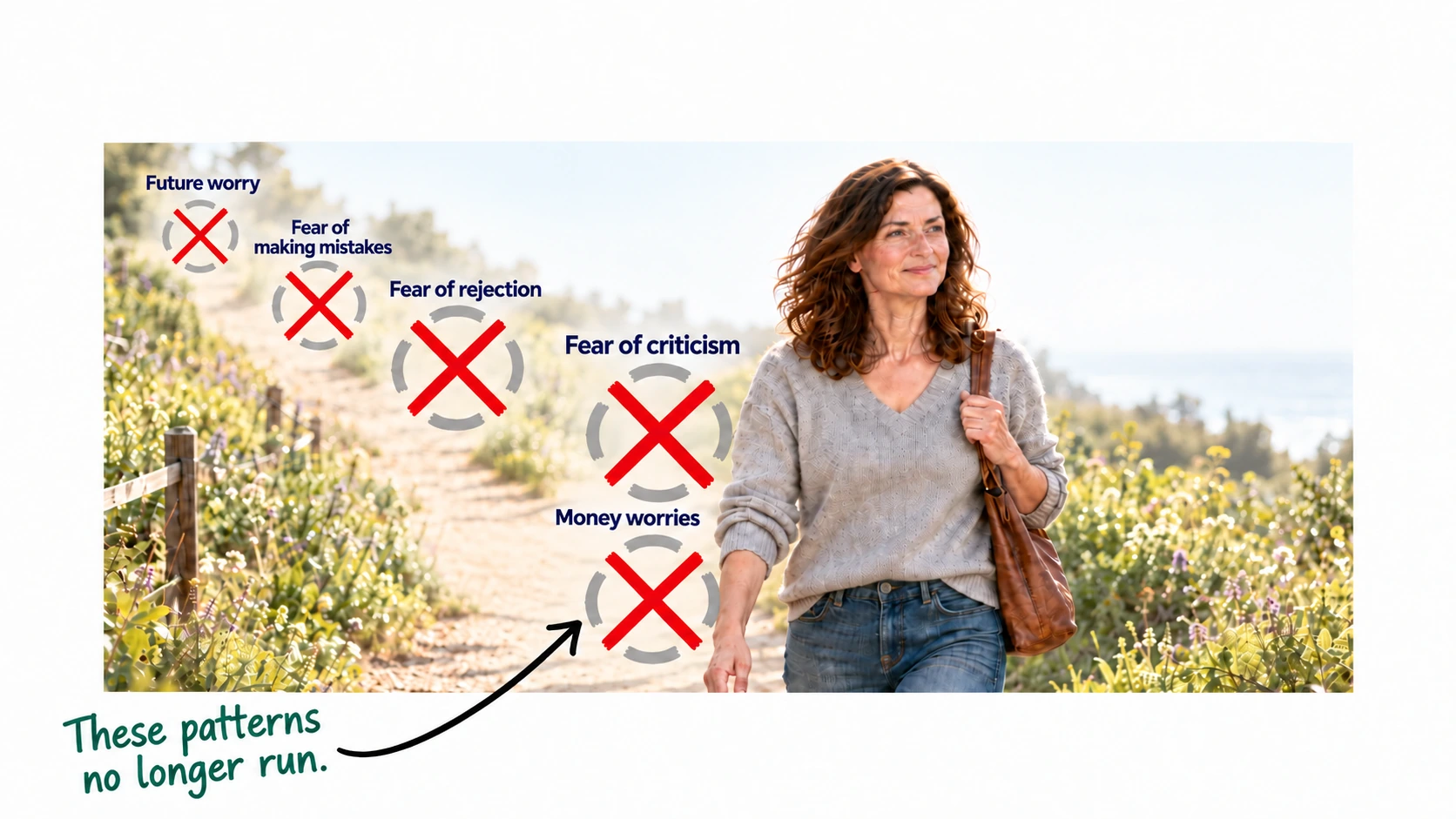
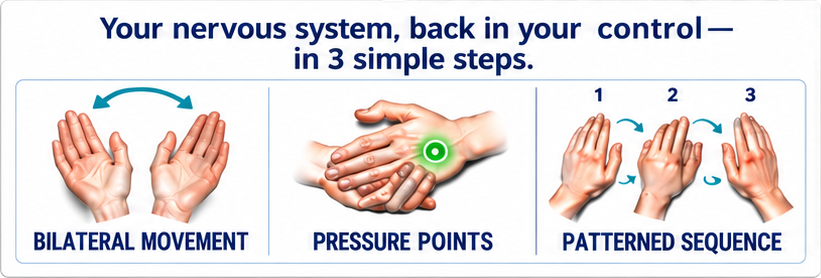
Move both hands in the repeated pattern I demonstrate.
Apply pressure at the points I show you.
Follow the sequence while focusing on one memory or feeling.
The brain–body connection is explored in publications from:




Four recorded lessons. Guided practice. Lifetime access.
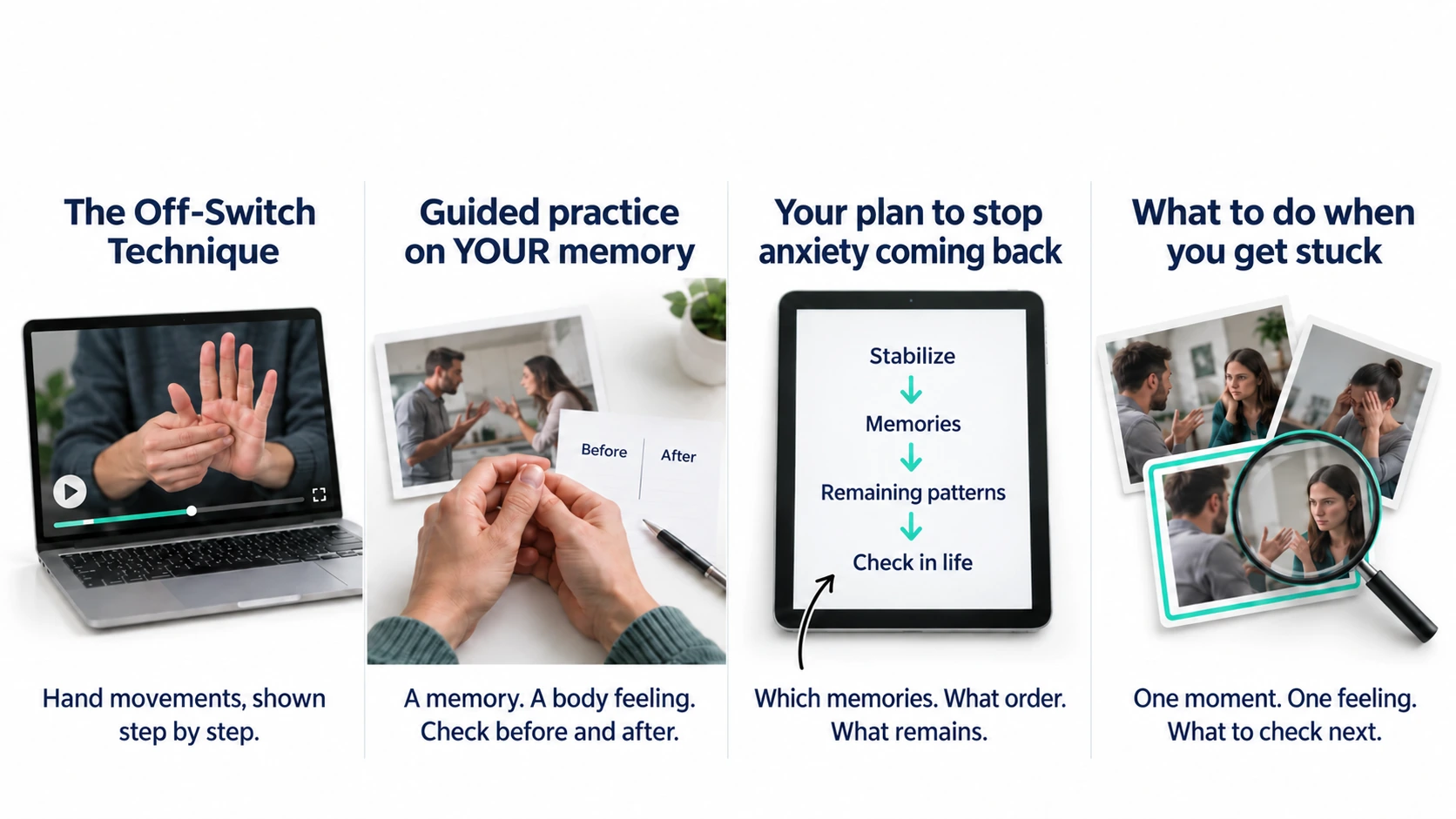
Exactly what to do with your hands while you focus on a memory or a feeling in your body.
Practise with me on one memory, then on a feeling in your body. Check how each feels before and after.
Which memories to work on first, and how to check whether the same situations still upset you.
I’ll show you what to check when you do the movements but the feeling doesn’t change.
One payment. Lifetime access.
In 2022, I started LIFE After Trauma. Many participants were taking the course while still living through the war. Others had fled their homes.
Ukrainians took part online
in LIFE After Trauma.
average reduction in reported PTSD symptoms within six weeks, among participants who completed the programme and assessments.
Other experiences from my earlier courses and client work:
You learn a specific hand sequence together with a way to decide what to work on. A feeling in your body, an old memory and a frightening picture of tomorrow may need separate attention. You might calm one and still feel anxious because another is upsetting you.
I’ll show you how to separate those parts, use the hand technique on a particular memory or feeling, and check what still needs attention.
EMDR is a structured psychotherapy in which a therapist guides the work. It can use eye movements, sounds or taps.
In this course, I teach you a particular hand sequence through recorded demonstrations and guided practice. You learn how to use it yourself on a memory or a feeling in your body, and how to choose what to work on next. This is training in that hand method, not a course of EMDR therapy.
Learn the sequence before you need to remember it under pressure. We begin with a manageable memory or feeling, and you follow the movements with me on the recording.
You can pause and repeat the demonstration until you know the steps. The practice includes both a memory and a feeling in your body; you don’t have to begin with your most overwhelming experience.
Both are part of the course. I teach you to work with the feeling in your body and with the memories that bring it back. The aim is to change how a particular memory affects you, so remembering it no longer sets off the same reaction.
You check that memory again after the exercise and notice what happens in similar everyday situations. A recurring pattern can involve several memories. That is why the course includes a plan for deciding what to work on next.
No. The two-minute promise refers to the feeling attached to one specific memory. You check that feeling before and after the exercise.
A difficult event can contain several upsetting moments, and recurring anxiety can involve several memories or other parts of the problem. Learning the technique and working through a wider pattern are separate from the time spent on one memory.
The four recorded lessons run for about 2 hours 42 minutes in total. Guided practice is in lesson 3, which runs for about 39 minutes.
I demonstrate the movements, then guide you through practice on a memory and a feeling in your body. You can pause, replay and follow along.
You have lifetime access to the four recorded lessons, so the instructions remain available when you need them. The participant quoted near the top learned from a recording without live sessions.
The training includes what to check when that happens. For example, you may be trying to work on several upsetting moments at once rather than one specific moment.
I show you how to make what you are working on more specific, replay the demonstration and check the same feeling again.
No. We start with something that bothers you a little, such as an awkward conversation or a small mistake at work.
You choose the memory privately and follow along. You don’t have to tell me the story. If something becomes overwhelming, stop rather than push through it.
I’ve used the hand method with clients for eleven years. The page includes reports from earlier clients and course participants. In LIFE After Trauma, participants who completed the programme and assessments reported an average 42% reduction in PTSD symptoms within six weeks.
Those are programme assessments, not a controlled trial of this exact hand technique. The publications shown above discuss the wider brain–body connection. In the lessons, you check how the same memory or feeling affects you before and after practising.
One payment gives you lifetime access to four recorded lessons covering the hand technique, guided practice, a plan for deciding what to work on, and what to check when you get stuck.
You want to enjoy the evening with your family, not sit there replaying the argument.
Get Anxiety Off-Switch $27 USDFour recorded lessons · Guided practice · Lifetime access · One payment.